
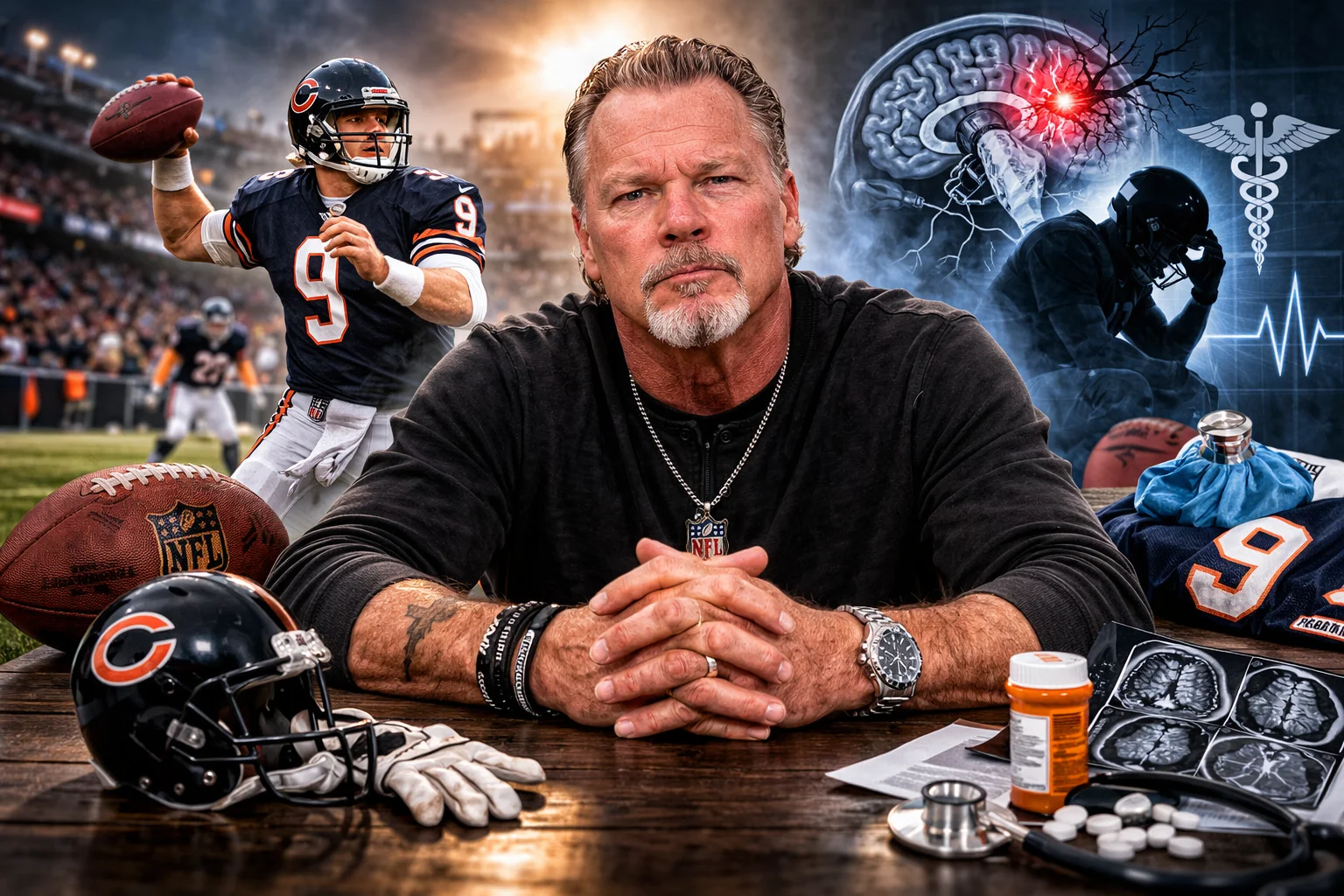
Jim McMahon, the iconic former NFL quarterback, is remembered not only for his remarkable career with the Chicago Bears but also for the health challenges he has faced post-retirement. With growing interest in the long-term effects of sports-related injuries, McMahon’s story sheds light on the complexities of athlete health and safety. This article delves into the intricacies of Jim McMahon health journey, exploring his battle with conditions like CTE, the impact of his NFL career, and his advocacy for improved health protocols for athletes.
Overview of Jim McMahon’s Health Issues
Jim McMahon’s health issues are both extensive and complex, primarily rooted in his time as a professional football player. His post-NFL life has been marked by a series of medical conditions that have significantly impacted his daily life and well-being.
Early Signs and Diagnosis
McMahon’s health challenges began to surface shortly after his retirement. Like many former NFL players, he exhibited early symptoms of chronic traumatic encephalopathy (CTE), a brain condition associated with repeated head traumas. These symptoms included:
- Memory loss
- Cognitive difficulties
- Mood swings
Diagnosis was complicated, as CTE can only be definitively identified posthumously. However, through clinical evaluations, neurologists have assessed the presence of CTE-like symptoms in McMahon.
Specific Conditions and Challenges
In addition to CTE, McMahon has battled multiple health issues:
- Concussions and Brain Injuries – Numerous concussions during his career have contributed to his current neurological issues.
- Vision Problems – Significant vision problems linked to head traumas sustained during his career.
- Chronic Pain – Wear and tear from years on the field have resulted in chronic pain, affecting his mobility and quality of life.
The Impact of an NFL Career on Health
The physical demands and injuries sustained during McMahon’s NFL career have had lasting effects on his health, reflecting broader risks associated with professional football.
Injuries and Long-term Effects
During his career, McMahon endured a myriad of injuries, which have had lasting consequences:
- Shoulder and Neck Injuries – Common among quarterbacks; contribute to chronic pain and limited mobility.
- Head Trauma – Repeated concussions leading to severe cognitive and neurological issues over time.
Comparisons with Other Athletes
McMahon’s health struggles are not unique. Many NFL players face similar challenges, underscoring the need for improved safety measures in the sport. Comparing McMahon’s health journey with those of other athletes highlights systemic issues in professional sports regarding player safety.
| Player Name | Primary Health Issues | Career Duration | Post-Career Advocacy |
| Jim McMahon | CTE, Chronic Pain, Vision | 15 years | Mental Health Advocacy |
| Junior Seau | CTE | 20 years | None (Posthumous Study) |
| Troy Aikman | Concussions, Cognitive Issues | 12 years | Concussion Awareness |
Current Health Status and Management
Jim McMahon continues to navigate his health challenges with a combination of medical treatments and lifestyle adjustments.
Medical Treatments and Therapies
To manage his symptoms, McMahon has pursued various treatments:
- Pain Management – Combination of prescription medications and physical therapies.
- Neurological Therapies – Regular consultations with neurologists to monitor cognitive health.
Lifestyle Changes and Alternative Approaches
In addition to traditional medical treatments, McMahon has embraced alternative therapies:
- Holistic Approaches – Dietary changes and meditation to enhance overall well-being.
- Innovative Treatments – Cutting-edge therapies such as hyperbaric oxygen therapy to mitigate symptoms.
Public Statements and Advocacy Efforts
Jim McMahon has become a vocal advocate for athlete health, leveraging his experiences to push for better safety protocols.
Interviews and Media Coverage
Through interviews and public appearances, McMahon candidly discusses his health struggles, raising awareness about the risks associated with professional football. His openness has sparked broader conversations about CTE and player safety.
Advocacy for Mental Health
McMahon’s advocacy extends to mental health, emphasizing the importance of psychological support for athletes. His efforts have contributed to increased awareness and research funding for CTE and related conditions.
Support Network and Personal Life
Despite his health challenges, McMahon draws strength from his support network, which plays a crucial role in his well-being.
Role of Family and Friends
Family and friends provide essential support, helping McMahon navigate daily life and manage his health issues. Their unwavering support underscores the importance of community for individuals facing chronic health problems.
Community Support Initiatives
McMahon is actively involved in community initiatives aimed at supporting former athletes, advocating for improved health resources and support systems.
Conclusion
Jim McMahon’s health journey is a testament to the enduring impact of sports-related injuries and the resilience required to navigate such challenges. His advocacy for athlete safety and mental health has not only raised awareness but also driven meaningful change in the sports community. As the conversation around athlete health continues to evolve, McMahon’s story serves as a powerful reminder of the need for comprehensive health protocols and support systems for current and former players.
FAQs
What specific injuries has Jim McMahon suffered from?
Jim McMahon has experienced numerous injuries, including concussions, shoulder and neck injuries, and vision problems.
How has Jim McMahon’s health affected his day-to-day life?
His health issues, particularly chronic pain and cognitive difficulties, have significantly impacted his daily activities and quality of life.
What are the latest updates on Jim McMahon’s health condition?
McMahon continues to manage his health through a combination of medical treatments and alternative therapies, with ongoing advocacy for player health.
How does Jim McMahon manage his health issues today?
He utilizes a mix of traditional and alternative therapies, including pain management, neurological consultations, and holistic approaches.
What is Jim McMahon’s role in health advocacy?
McMahon actively advocates for improved safety protocols in sports and increased support for mental health, raising awareness through public appearances and media interviews.
Jim McMahon’s health challenges and advocacy endeavors highlight critical issues in athlete safety and health management. As a leading voice in the conversation, his experiences encourage ongoing dialogue and action to protect athletes at all levels.

