
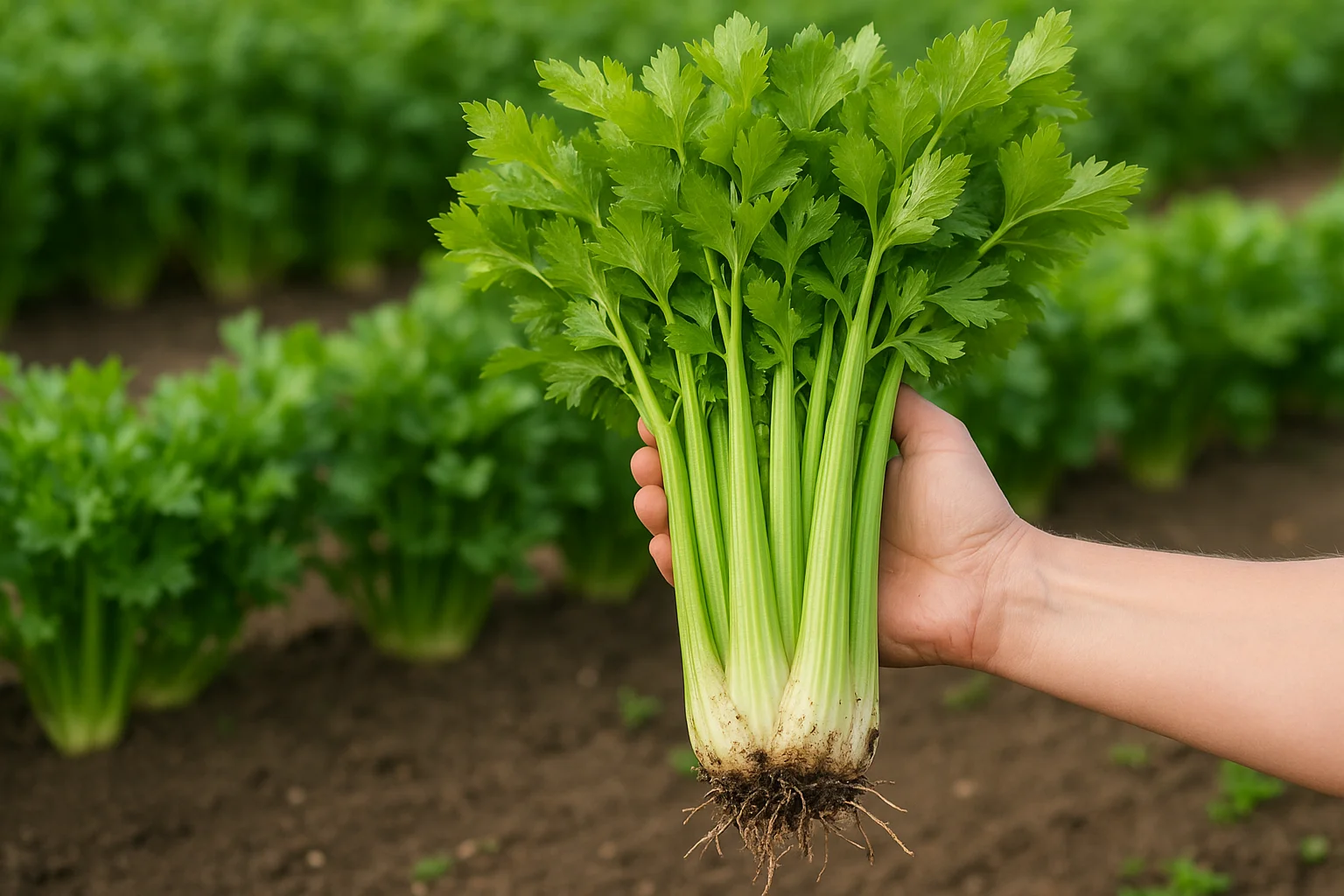
Growing and storing celery at home — or “pravi celer” when you want the freshest, most flavorful stalks — is rewarding and surprisingly practical. With a little planning, the right soil, and simple storage tricks, you can enjoy crisp, homegrown celery for months. This guide gives clear, up-to-date tips written in simple English so you can start, grow, harvest, and store celery successfully.
Why grow celery at home?
Homegrown celery tastes fresher and has better texture than store-bought. When you grow it yourself you control how it’s raised (no unwanted chemicals, more leaf use), and you can harvest stalks as needed so nothing goes to waste. Celery also makes a good companion in home vegetable beds because it prefers steady moisture and benefits from rich soil.
Choosing the right variety
There are a few types of celery suited to home gardens:
- Stalk celery: The classic, crunchy type used in salads and cooking.
- Celeriac (root celery): Grown for its bulbous root, not stalks; great for soups and mashes.
- Leaf celery: Grown for the flavorful leaves, useful as an herb.
For beginners, pick a well-known stalk-celery variety bred for your climate and season length. If you have short summers, look for shorter or faster-maturing varieties so they can reach harvest before cooler weather.
Where to plant
Light and location
Celery prefers full sun with some afternoon shade in very hot climates. Choose a spot that receives at least 4–6 hours of sunlight daily and has protection from strong winds.
Soil
Celery thrives in rich, well-draining soil with plenty of organic matter. Aim for a loamy, moisture-retentive mix. If your soil is sandy or poor, amend it with compost or aged manure to add nutrients and structure.
pH and fertility
A slightly acidic to neutral soil pH (around 6.0–7.0) is ideal. Celery is a heavy feeder: incorporate balanced organic fertilizer or compost before planting and plan to side-dress with compost or a mild fertilizer during the season.
Starting seeds and transplanting
Seeds or transplants?
Celery takes a long time from seed to harvest. Many gardeners start seeds indoors 8–10 weeks before the last expected frost, then transplant seedlings when they are sturdy and the weather is mild. You can also buy healthy transplants from a nursery if you prefer a faster start.
Seed starting tips
- Use seed trays or small pots with a seed-starting mix.
- Keep soil consistently moist and warm to encourage germination.
- Provide bright light or a grow light to prevent seedlings from getting leggy.
Hardening off and transplanting
Before moving seedlings outdoors, harden them off for a week by gradually increasing their exposure to outdoor conditions. Transplant into the garden when soil temperatures are steadily warm and nighttime frosts are unlikely.
Planting layout and spacing
Space celery plants about 8–12 inches apart in rows or raised beds. Give them room to develop full stalks and adequate airflow. If you’re growing in containers, choose a deep pot (at least 12 inches) filled with rich potting mix and water regularly.
Watering and feeding
Keep soil evenly moist
Celery needs steady moisture to develop tender, crisp stalks. Water regularly to keep the soil evenly moist but not waterlogged. Mulching around plants helps retain moisture and keeps roots cool.
Fertilize during the season
Side-dress with compost or apply a balanced organic fertilizer every few weeks to support steady growth. Consistent feeding prevents the plant from becoming woody or stringy.
Pest and disease basics
Celery can be vulnerable to pests like aphids and slugs, and to fungal issues in poorly drained soil. Good practices include:
- Inspecting plants regularly and removing pests by hand or with a spray of water.
- Using organic insecticidal soap for aphids if infestations are heavy.
- Ensuring good drainage and airflow to reduce fungal problems.
- Rotating crops each year to prevent soil-borne diseases.
Blanching (optional)
Some gardeners blanch celery—covering stalks for a period before harvest—to produce paler, milder-tasting stalks. You can mound soil around the base or use sleeves. Blanching is optional and mainly for aesthetic preferences.
Harvesting
Celery is usually ready to harvest when stalks are firm, tall, and well-colored. You can:
- Harvest entire plants by cutting at the base, or
- Cut outer stalks as needed, leaving the center to keep growing for continued harvest.
Harvest before heavy frost unless you grow varieties rated for cold weather. If frost is expected, protect plants with row cover or harvest early.
Storing fresh celery
Proper storage keeps your celery crisp and flavorful for weeks.
Short-term storage (up to 1–2 weeks)
- Trim leaves if you don’t plan to use them.
- Wrap stalks in a slightly damp paper towel, then place them inside a perforated plastic bag or reusable produce bag.
- Store in the crisper drawer of the refrigerator in a cool, humid spot.
Longer-term storage (several weeks)
- Store in a sealed container with a small amount of water at the base; change the water every few days.
- Alternatively, chop celery into sticks and place upright in a jar with water, covering loosely with a lid or plastic wrap.
Freezing and preserving
- Blanch celery pieces briefly in boiling water, cool in an ice bath, drain, and freeze on a tray before transferring to a freezer bag. Frozen celery is best used in cooked dishes.
- You can also dehydrate celery for long-term storage as a seasoning or to rehydrate in soups.
Using the whole plant
Make the most of your harvest: celery leaves are flavorful and can be used as an herb in soups, salads, and sauces. The inner stalks are often the sweetest; the outer stalks are great for stocks and slow-cooked recipes.
Troubleshooting common problems
- Stringy, bitter stalks: Often due to inconsistent watering or nutrient shortage. Keep soil moist and feed regularly.
- Yellowing leaves: Can signal nutrient deficiency or poor soil drainage—improve fertility and drainage.
- Slow growth: May be due to high heat or poor soil. Provide shade during hot spells and enrich the soil.
Final tips for success
- Plan your planting time to match your climate; celery needs a long, steady growing season.
- Keep moisture consistent—this is the single most important factor for crisp, tender celery.
- Use compost and regular feeding to meet celery’s nutritional needs.
- Store thoughtfully to maintain freshness and reduce waste.
Growing pravi celer at home takes patience, but the payoff is fresh flavor, control over how your food is grown, and satisfying results. With steady water, rich soil, and careful storage, you’ll enjoy crisp, homegrown celery for cooking, snacking, and adding bright flavor to many dishes.

