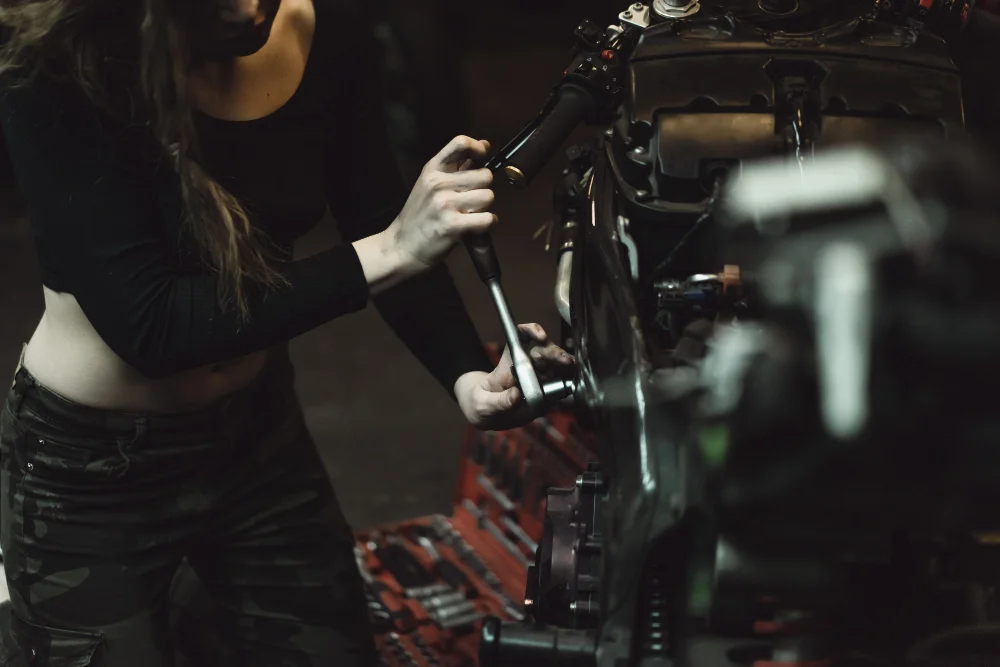
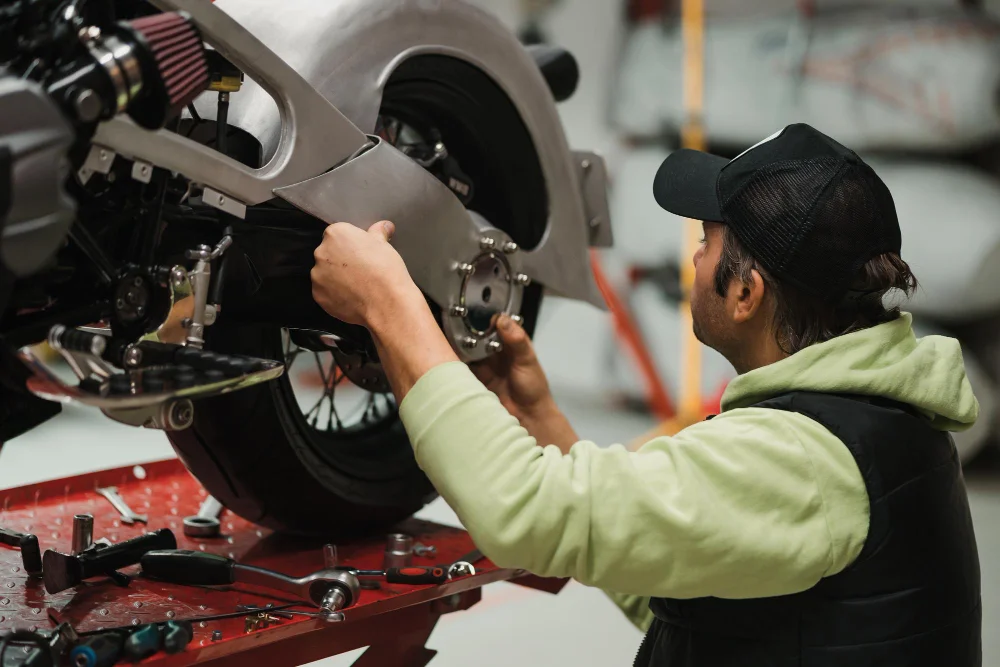
Riding a motorcycle is freedom, adrenaline, and the joy of the open road. But behind every great ride lies a bike that’s well cared for. At Formotorbike.com, we believe a properly executed Formotorbikes.com tune up is the backbone of performance, safety, and durability.
This in-depth, brand-authoritative guide walks you through every critical maintenance step. Whether you’re a beginner wrench-tinkerer or a seasoned rider fine-tuning your machine, you’ll find this resource indispensable — built to hold up against Google’s latest content standards (2025, 2026) and ensure long-term visibility.
Why the “Formotorbikes.com Tune Up” Matters More Than You Think
A tune up is not just a routine — it’s preventative insurance for your motorcycle. Here’s what a precise tune up delivers:
- Optimized fuel efficiency — an engine running at its peak burns less fuel.
- Smoother, stronger performance — from throttle response to torque curves.
- Lower repair costs — catch wear and tear early, before failure.
- Extended component life — chains, sprockets, cables last longer.
- Enhanced safety — brakes, lights, tires — everything checked.
By positioning formotorbikes.com (or www.formotorbikes.com) as your guide, you adopt a method tailored to real-world riding and long-term durability. We integrate best practices gleaned from our gear divisions (e.g. motorcyclegear Formotorbikes, fmbmotogear motorcycle gear by Formotorbikes) and our racing coverage (like formotorbikes racing news, motoracing Formotorbikes) to keep this guide rooted in real performance demands.
Complete, Step-by-Step Formotorbikes.com Tune Up Process
Below is the structured process we recommend. For each step, internal link suggestions point to future or existing content on your site for deeper exploration (e.g. “Chain Care Guide”, “Brake Bleeding Tutorial”).
1. Prep & Setup (The Foundation)
Before you touch a wrench:
- Choose a clean, well-lit workspace (garage or driveway) with flat ground.
- Lay out all tools and parts — socket sets, wrenches, screwdrivers, torque wrench, oil pan, rags, filter, chain lube, etc.
- Obtain manufacturer’s spec sheet for your bike.
- Warm up the engine for a few minutes so oil flows better for drainage.
This “pre-flight” setup saves time and avoids errors.
2. Engine Oil & Filter Replacement
Your engine’s life depends on clean oil. The Formotorbikes.com tune up approach:
- Elevate the bike on a center stand or paddock stand.
- Place an oil pan under the drain port.
- Remove the oil fill cap and loosen the drain plug — let oil fully drain.
- Replace the oil filter with a fresh one, lubricating its O-ring first.
- Reinstall the drain plug and torque it to spec.
- Refill with high-quality, manufacturer-recommended oil (check viscosity and grade).
- Run the engine for ~30 seconds, stop, and re-check the level.
Interval Advice: Many riders at Formotorbikes change oil every 3,000–5,000 miles (or 5,000–8,000 km) depending on riding style and conditions. Adjust based on your usage.
3. Inspect & Replace Spark Plugs
Spark plugs are the ignition backbone:
- Remove each plug and inspect its tip. Look for deposits, erosion, or fouling.
- If worn or contaminated, replace with OEM-spec spark plugs.
- Use a feeler gauge to set the correct gap (per bike manual).
- Reinstall with the proper torque (not overtightened).
Healthy plugs = consistent combustion, crisp starts, and clean throttle response.
4. Air Filter Maintenance
A clogged air filter chokes your performance:
- Remove the airbox cover and extract the filter.
- If reusable (foam or cotton), clean with a filter kit and let dry fully.
- If paper/disposable, replace when noticeably dark or clogged.
- Reinstall carefully, ensuring a sealed fit.
Note: In our Formotorbikes motorcycles news and Formotorbikes.com motorcycle testing, racers emphasize filter checks before every trip for maximum airflow.
5. Chain Cleaning, Lubrication & Tensioning
The chain is your drivetrain’s lifeline:
- Use a dedicated chain cleaner to remove grime, grit, and old lube.
- Spray or brush on high-quality chain lubricant evenly on the inside links.
- Let it sit a few minutes, then wipe excess.
- Check chain slack: typically ~1 to 1.5 inch (25–40 mm) of free play — adjust via the rear axle and adjuster bolts.
- Re-check alignment (use sprocket marks).
Over-tightening shortens bearings; too loose risks derailment. Formotorbikes racing news often warns about this fine balance.
6. Brakes — Pads, Fluid & Bleeding
Safety-critical area:
- Inspect brake pads (front and rear). Replace if pad thickness is below the minimum spec.
- Check brake fluid reservoirs; top up with recommended DOT or mineral fluid (as your bike requires).
- If the fluid is dark or has bubbles, bleed the system to purge air.
- Check rotors (discs) for warps or scoring.
Link to your internal Brake Bleed Tutorial or Brake Safety Checklist for detailed videos or visuals.
7. Tires & Wheels
Tires are your only contact points — they must be impeccable:
- Use a calibrated pressure gauge to inspect front and rear PSI per your bike manual.
- Examine sidewalls and tread for cuts, bulges, or cracking.
- Check tread depth — if it’s near legal minimums or uneven, replace the tire.
- Inspect wheel bearings and spokes (tighten or service as needed).
Properly inflated tires improve agility, safety, and fuel economy.
8. Battery & Charging System
Don’t let a dead battery strand you:
- Measure voltage with a multimeter (12.6 V or above is ideal at rest).
- Clean corroded terminals with a brush or baking soda mix.
- Check that connectors are tight and secure.
- If battery is more than 3–4 years old or weak under load, replace.
- If storing the bike for extended periods, use a trickle charger (“smart maintainer”).
We frequently reference motorcycle gear at Formotorbikes inventory that includes storage and charging accessories.
9. Cooling System (Liquid-Cooled Models)
Overheating kills engines fast:
- Inspect coolant level in the reservoir and radiator; top with approved coolant if low.
- Check for leaks in hoses, clamps, radiator fins.
- Clean radiator fins of debris for maximum airflow.
- Pressure-test the cap if possible to ensure it holds seal integrity.
Long-distance riders featured in fmmotoracing recap Formotorbikes know cooling is mission-critical.
10. Clutch & Throttle Controls
A properly adjusted clutch ensures crisp shifts:
- Check the lever free play (usually a few mm) and adjust the cable or hydraulic system.
- Inspect cable for fraying or binding; replace if needed.
- Also test throttle response — it should snap closed when released.
- Lubricate pivot points lightly for smooth movement.
11. Electrical + Lighting Check
Your visibility must be unquestionable:
- Turn on headlights (low/high), tail, brake, and turn signals — confirm all function.
- Replace any blown bulbs.
- Inspect fuses, wiring, connectors for loose crimping, corrosion, or exposed metal.
- Tap wires to listen: any crackle may hint at internal damage.
You can link to your About Formotorbikes or Gear & Lighting Guide pages to enrich internal structure.
12. Final Walk-Around & Clean
The last but critical pass:
- Do a walk-around and feel for loose nuts, bolts, fasteners.
- Check for oil/coolant leaks.
- Clean the bike thoroughly — soap, degreaser, polish.
- After cleaning, re-inspect all previously serviced points for shifting or settling.
A clean bike is not just aesthetic — it’s your last fail-safe check.
Maintenance Calendar: When to Do What
Here’s a schedule to embed into your site (e.g. as a table or printable PDF):
| Interval | Tasks to Run | Notes |
| Every Ride | Check tire pressures, chain slack, lights | Quick pre-ride safety check |
| Weekly | Oil level, brake fluid level, clutch play | If ride frequency is low, shift to bi-weekly |
| Monthly | Air filter check, battery test, tire wear | Replace air filter if dirty |
| Quarterly (3-4 months) | Full tune-up (all 12 steps) | Deep maintenance cycle |
| Annually | Component renewal (e.g. hoses, cables) | For stock aging parts |
Scheduling content like “Monthly Maintenance Tips” or “Quarterly Overhaul Guide” is an opportunity for internal links across your site.
DIY or Leave It to a Mechanic?
Some tasks are DIY-friendly; others demand professional skills. Use this split:
DIY-suitable tasks:
- Oil & filter change
- Spark plug replacement
- Air filter servicing
- Chain cleaning & lube
- Tire pressure inspections
- Simple electrical checks
Mechanic-recommended tasks:
- Valve clearance adjustment
- Carburetor or fuel injection tuning
- Full electrical diagnostics or wiring harness work
- Major engine teardown work
Even though this article empowers you, we always recommend consulting a certified technician for deeper tasks — especially for warranty or performance-critical bikes.
FAQs
Q1. How often should I perform a full Formotorbikes.com tune up?
You should aim for a full tune-up every 3–4 months (or quarterly), depending on riding intensity and conditions. Lighter bikes ridden in clean environments may stretch intervals; heavy or off-road use demands tighter timing.
Q2. Can I use car engine oil in my motorcycle?
Not generally. Always use motorcycle-grade oil specified by your bike’s manufacturer — it contains friction modifiers and additives suitable for wet clutches and high-rev ranges.
Q3. My bike idles rough after I cleaned the air filter — why?
Sometimes debris or misalignment in reinstallation can disrupt airflow or vacuum seals. Double-check your filter fit and ensure all airbox seals are intact.
Q4. How do I know when to replace the chain instead of adjusting it?
If the chain stretches beyond adjustment limits, has stiff or rusted links, or causes noise even after lubrication, replacement is safer than forcing adjustments.
Q5. Is it safe to skip the coolant check if I ride only short distances?
No. Even short bursts can heat the engine. Consistently monitoring coolant levels and inspecting the system is mandatory to prevent catastrophic overheats.