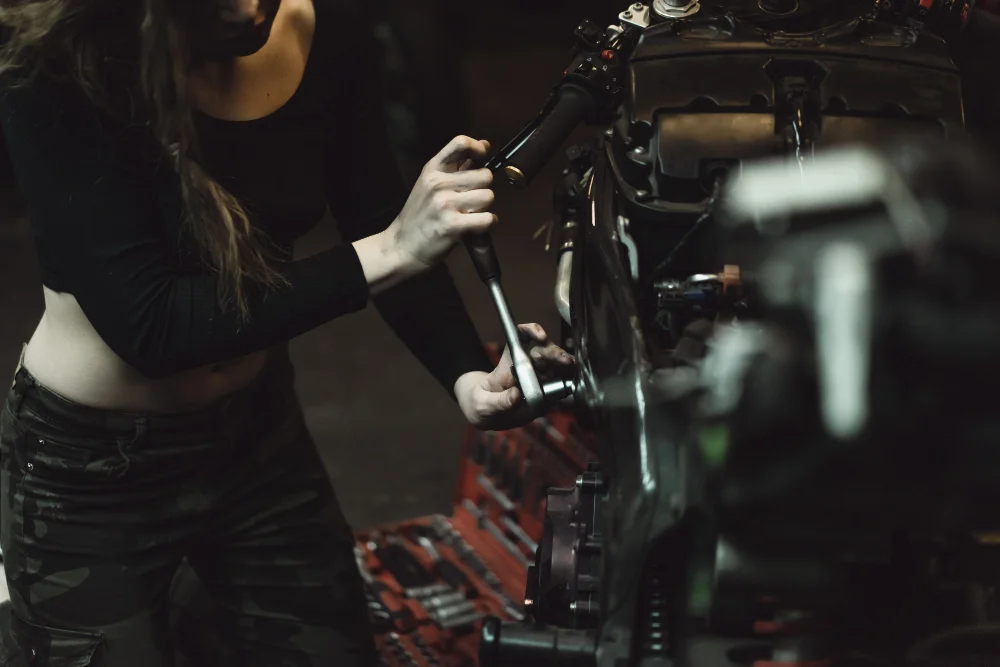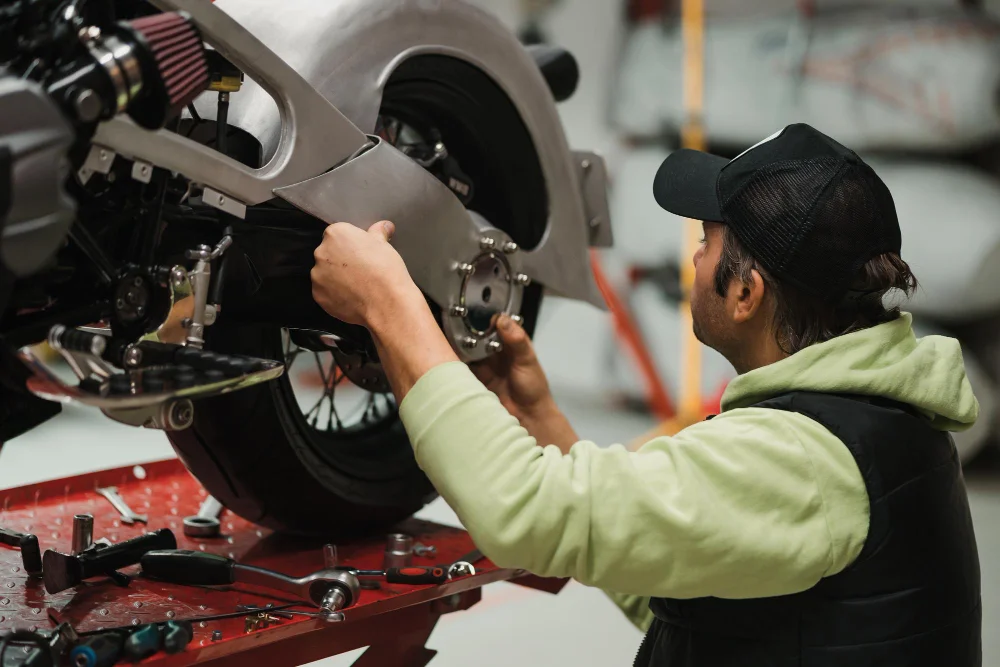
A well-maintained motorcycle feels predictable. It starts cleanly, responds consistently, stops confidently, and gives its rider fewer unpleasant surprises. Achieving that condition does not depend on one occasional repair. It comes from regular inspection, model-specific servicing, and attention to small changes before they become larger problems.
Introduction to Motorcycle Tune-Up
The Formotorbikes Motorcycle Tune Up guide provides a practical framework for inspecting and maintaining the systems that influence safety, reliability, performance, and ownership cost. It applies to commuters, touring riders, weekend motorcyclists, and new owners who want to understand their machines more clearly.
Because motorcycles differ significantly, this guide should be used alongside the owner’s manual. The manufacturer’s specifications, service schedule, approved fluids, adjustment procedures, and torque values always take priority.
What Does a Motorcycle Tune-Up Include?
“Motorcycle tune-up” is an informal term rather than one standardized service. On an older carbureted bike, it might involve spark plugs, carburetor synchronization, ignition checks, and valve adjustments. A modern fuel-injected motorcycle may require electronic diagnostics and a very different maintenance routine.
A complete tune-up commonly brings together three types of care:
Routine Inspection
The rider checks visible and accessible components such as tires, lights, fluid levels, controls, brakes, and the final drive.
Scheduled Maintenance
Parts and fluids are inspected, adjusted, or replaced at the time or mileage specified by the motorcycle manufacturer.
Condition-Based Diagnosis
New noises, warning lights, leaks, vibration, poor starting, unstable handling, or changing brake response are investigated before the problem becomes more serious.
A tune-up should not mean replacing parts without evidence. Its purpose is to identify what the motorcycle actually needs.
Start With the Owner’s Manual
There is no universal tune-up interval that applies to every motorcycle. Engine design, oil capacity, cooling system, riding environment, mileage, and manufacturer requirements all affect the service schedule.
Before starting maintenance, confirm:
- The correct model and production year
- Recommended oil grade and capacity
- Tire pressures for the expected load
- Chain, belt, or shaft-drive requirements
- Spark-plug type and replacement interval
- Valve-clearance inspection interval
- Approved coolant and brake fluid
- Required torque specifications
- Battery type and charging requirements
Do not rely on a general website for a model-specific measurement when the manufacturer provides the correct specification.
Perform a Structured Pre-Ride Inspection
A quick inspection before riding can reveal damage, low pressure, leaks, or loose components before they create a roadside problem.
The Motorcycle Safety Foundation uses the T-CLOCS framework: Tires and wheels, Controls, Lights and electrical, Oil and fluids, Chassis, and Stands. Its official pre-ride checklist provides a useful structure.
Tires and Wheels
Check tire pressure when the tires are cold, using the motorcycle manufacturer’s recommended pressure for the expected load. The maximum pressure printed on a tire’s sidewall is not automatically the correct operating pressure for the motorcycle.
Inspect for:
- Cuts, cracking, bulges, or embedded objects
- Unusual or uneven tread wear
- Insufficient tread depth
- Bent or damaged wheels
- Loose or damaged spokes where applicable
- Missing valve caps or damaged valve stems
A tire with structural damage, exposed reinforcement, or a serious pressure-loss problem should be assessed before the motorcycle is ridden.
Controls
Operate the throttle, clutch, front brake, rear brake, and steering. Movement should feel smooth and predictable.
Look for:
- A throttle that does not return normally
- A clutch engagement point that has changed
- Damaged levers or grips
- Frayed or incorrectly routed cables
- Unusual steering resistance
- Excessive control free play
Some motorcycles use conventional cables, while others use hydraulic or electronic systems. Do not lubricate or adjust a component unless the manufacturer’s procedure permits it.
Lights and Electrical Equipment
Test the headlight, tail light, brake-light switches, indicators, horn, and instrument warnings.
An illuminated warning light should not simply be reset or ignored. Consult the manual to understand what it represents. A recurring warning may require proper diagnostic equipment.
Fluids and Leaks
Check engine oil according to the manufacturer’s procedure. Some motorcycles must be upright, warm, cold, or checked within a particular time after shutdown, so a generic method can produce an inaccurate reading.
Inspect beneath and around the motorcycle for signs of:
- Engine oil
- Coolant
- Brake fluid
- Fuel
- Fork oil
- Final-drive oil
The fluid’s location, color, smell, and texture can provide clues, but an active fuel or brake-fluid leak requires immediate attention.
Chassis and Stands
Look for loose fasteners, visible damage, cracked components, suspension leaks, and abnormal movement. Confirm that the side stand and center stand, where fitted, return and operate correctly.
Engine Oil and Oil Filter
Engine oil performs several jobs: lubrication, cooling, cleaning, and protection against internal wear. Its condition matters, but replacing it more frequently than required is not a substitute for using the correct product and procedure.
Follow the manual for:
- Oil viscosity and specification
- Required quantity
- Filter replacement schedule
- Drain-plug washer requirements
- Correct tightening torque
- Oil-level inspection procedure
An incorrect oil level can be harmful whether it is too low or too high. Used oil and filters should be disposed of through an appropriate recycling facility.
Air Filter and Engine Breathing
The air filter prevents dust and debris from entering the engine. As it becomes restricted, starting, throttle response, efficiency, and power may be affected.
Inspection frequency depends heavily on riding conditions. A motorcycle used on dusty trails may require attention much sooner than a road bike used in relatively clean conditions.
Filter construction also matters. Paper, foam, and reusable filters require different cleaning or replacement methods. Applying oil or cleaning chemicals to the wrong filter can damage it.
Inspect the airbox for:
- Excessive dust or debris
- Water intrusion
- Damaged seals
- Incorrect filter seating
- Loose intake connections
Spark Plugs, Valves, and Combustion
Spark plugs can reveal useful information about combustion, but interpreting their condition correctly requires experience. Poor starting, misfiring, uneven idling, or increased fuel consumption may involve spark plugs, but those symptoms can also have other causes.
Use only the plug type specified for the motorcycle. Incorrect heat range, thread reach, gap, or installation torque can cause engine damage.
Valve-clearance inspection is another important scheduled task on many motorcycles. It may require substantial disassembly and precise measurement. Riders without the necessary tools and technical knowledge should leave this work to a qualified technician.
Fuel System
Modern fuel-injected motorcycles do not automatically need routine injector cleaning at every tune-up. Fuel-system service should be based on the manufacturer’s schedule, actual symptoms, storage history, or diagnostic findings.
Potential warning signs include:
- Difficult starting
- Hesitation under acceleration
- Unstable idle
- Repeated stalling
- Strong fuel smell
- Unexplained reduction in fuel economy
- Visible fuel leakage
Fuel additives should only be used when they are suitable for the motorcycle and approved for the intended purpose. More additives are not necessarily better.
Carbureted motorcycles may require additional attention after prolonged storage, especially when old fuel has been left in the system.
Cooling System
Liquid-cooled motorcycles rely on the correct coolant mixture, unobstructed airflow, sound hoses, and a properly functioning fan and thermostat.
Inspect for:
- Coolant below the recommended level
- Cracked or swollen hoses
- Loose clamps
- Radiator damage
- Dried coolant residue
- Frequent overheating
- A cooling fan that does not operate when expected
Never remove a radiator cap from a hot engine. Pressurized coolant can cause serious burns.
Battery and Charging System
Battery maintenance depends on whether the motorcycle uses a conventional lead-acid, AGM, lithium-based, or another battery type.
Check for:
- Secure terminals
- Corrosion or damaged cables
- Swelling or physical damage
- Slow cranking
- Unstable instrument behavior
- Repeated loss of charge
Use a charger compatible with the battery chemistry. A charger intended for a conventional lead-acid battery may not be appropriate for a lithium battery.
Repeated battery failure may indicate a charging-system problem, parasitic electrical drain, unsuitable accessories, or an aging battery rather than a need for charging alone.
Brakes
Brake condition should never be judged only by whether the motorcycle still stops.
Inspect:
- Brake-pad material
- Rotor condition
- Fluid level
- Hydraulic hoses
- Fluid leakage
- Lever and pedal response
- Changes in braking feel
- Unusual vibration or noise
A brake lever that feels unusually soft, pulls closer to the handlebar, or changes between applications requires investigation. Brake fluid can absorb moisture over time, but replacement intervals and approved fluid types are model-specific.
Brake-system repair is safety-critical. Riders who cannot perform the work correctly should use a qualified motorcycle technician.
Chain, Belt, or Shaft Drive
The correct final-drive maintenance depends on the motorcycle.
Chain Drive
Check chain tension, lubrication, alignment, damaged links, and sprocket wear. Chain tension should be measured using the manufacturer’s procedure because suspension position and measurement location can affect the result.
A chain with tight spots, damaged seals, severe corrosion, or excessive adjustment demand may require replacement. Worn chain and sprockets are commonly replaced as a set.
Belt Drive
Inspect the belt for damaged teeth, embedded debris, cracking, fraying, and incorrect tension. Do not apply chain lubricant to a belt unless specifically instructed by the manufacturer.
Shaft Drive
Shaft drive reduces routine external maintenance but is not maintenance-free. Final-drive oil, seals, and related components may still require scheduled inspection or replacement.
Suspension and Steering
Suspension affects stability, braking behavior, comfort, and tire contact with the road.
Look for:
- Oil around fork seals or shock components
- Unusual bouncing
- Harsh or inconsistent damping
- Steering movement that feels notched
- Excessive bearing play
- Uneven tire wear
- A motorcycle that pulls or feels unstable
Preload and damping settings should account for rider weight, passenger load, luggage, and riding conditions. Random adjustments can make handling worse. Record the original settings before making changes.
Maintenance for Electric Motorcycles
Electric motorcycles eliminate several traditional engine tasks, including engine-oil and spark-plug replacement. They still require inspection and servicing.
Relevant components may include:
- Tires and wheels
- Brakes
- Suspension
- Steering bearings
- Drive belt or chain
- Low-voltage battery
- Cooling system where fitted
- Charging port and cable
- Software and diagnostic systems
High-voltage components should only be serviced by appropriately trained personnel. A rider should never open a traction battery or high-voltage enclosure without the required authorization, training, and protective equipment.
For broader developments affecting modern motorcycles, readers can follow these motorcycle technology and rider updates.
How Often Should a Motorcycle Be Tuned Up?
Use four triggers rather than one universal mileage figure.
Before Riding
Perform a brief safety inspection covering tires, controls, lights, obvious leaks, brakes, and stands.
At Scheduled Intervals
Follow the manufacturer’s time- and mileage-based maintenance table. Components such as brake fluid and coolant may have time limits even when the motorcycle has covered little distance.
After Severe Use
Dust, mud, water crossings, racing, frequent short trips, heavy traffic, extreme temperatures, and prolonged high-speed riding can justify earlier inspection.
When Symptoms Appear
Do not wait for the next scheduled service when the motorcycle develops a warning light, leak, abnormal noise, unstable handling, repeated stalling, overheating, or changing brake response.
DIY Maintenance Versus Professional Service
Routine inspection can help owners understand their motorcycles, but not every task is appropriate for home servicing.
Owners may be able to handle basic jobs such as:
- Visual pre-ride inspections
- Cleaning the motorcycle
- Checking fluid levels correctly
- Chain cleaning and lubrication
- Replacing simple bulbs where applicable
- Charging a battery with a compatible charger
- Maintaining an accurate service record
Professional service is generally safer for:
- Tire removal, mounting, and balancing
- Hydraulic brake repair
- Valve-clearance adjustment
- Fuel-injection diagnosis
- Internal engine or transmission work
- Steering-bearing and suspension repairs
- Complex electrical diagnosis
- ECU programming
- Electric-motorcycle high-voltage systems
The deciding factor should be competence, correct information, and proper equipment—not simply the desire to reduce cost.
Warning Signs That Should Not Be Ignored
Stop and investigate before continuing to ride if the motorcycle develops:
- A fuel or brake-fluid leak
- A tire bulge, deep cut, or rapid pressure loss
- Sudden brake-response changes
- Severe steering resistance or looseness
- Repeated overheating
- A chain with serious damage or extreme slack
- New grinding, knocking, or scraping sounds
- Smoke or a burning smell
- Persistent misfiring or stalling
- A critical warning message
When the cause is unclear, arrange professional inspection rather than attempting to ride through the problem.
Common Motorcycle Tune-Up Mistakes
Many maintenance problems are caused by incorrect work rather than normal wear.
Common mistakes include:
- Ignoring the owner’s manual
- Using the wrong fluid or replacement part
- Checking tire pressure when hot
- Treating sidewall maximum pressure as the operating target
- Over-tightening fasteners
- Reusing damaged seals or washers
- Adjusting chain tension incorrectly
- Applying unsuitable chemicals to filters or brakes
- Installing electrical accessories without considering system capacity
- Clearing warning codes without diagnosing the cause
- Performing safety-critical work without the correct tools
A calibrated torque wrench is useful only when the correct torque specification and procedure are known.
Keep an Accurate Maintenance Record
A clear maintenance log helps prevent missed service and provides useful evidence when diagnosing recurring problems or selling the motorcycle.
Record:
- Date and odometer reading
- Work performed
- Parts and fluids used
- Measurements or adjustments
- Problems discovered
- Name of the workshop or technician
- Next scheduled service
Owners should also check for applicable safety recalls. In the United States, motorcycles can be searched through the official NHTSA recall lookup. Riders elsewhere should consult their manufacturer or national vehicle-safety authority.
FAQs About Formotorbikes Motorcycle Tune Up
What is included in a motorcycle tune-up?
A motorcycle tune-up may include inspection and maintenance of the engine, fluids, air filter, spark plugs, battery, brakes, tires, final drive, suspension, controls, and electrical system. The exact work depends on the motorcycle and its service schedule.
How often does a motorcycle need a tune-up?
There is no single interval for every motorcycle. Follow the time and mileage requirements in the owner’s manual and inspect the bike sooner after severe use or when symptoms appear.
Can a beginner perform a motorcycle tune-up?
A beginner can learn basic inspections and simple maintenance with correct instructions and tools. Brake repairs, valve adjustments, tire fitting, complex diagnostics, and high-voltage work should generally be handled by qualified professionals.
Does a fuel-injected motorcycle need a tune-up?
Yes, but its requirements differ from older carbureted motorcycles. It still needs scheduled fluid, filter, brake, tire, battery, drive-system, valve, and safety inspections where applicable.
Does an electric motorcycle require maintenance?
Yes. Although it may not require engine oil or spark plugs, its tires, brakes, suspension, bearings, drive system, cooling components, charging equipment, and electrical systems still require attention.
Can a tune-up improve fuel economy?
Maintenance may restore lost efficiency when incorrect tire pressure, a restricted filter, worn ignition components, mechanical drag, or another fault is present. It will not necessarily improve a correctly operating motorcycle beyond its designed performance.
Final Thoughts
A motorcycle tune-up is most effective when it follows a disciplined process: inspect the motorcycle regularly, follow the manufacturer’s schedule, respond to warning signs, and recognize when professional expertise is required.
The Formotorbikes Motorcycle Tune Up framework prioritizes safety and reliability before unnecessary replacement or performance modification. With accurate specifications, suitable tools, and a consistent maintenance record, riders can understand their motorcycles better and address small problems before they become expensive or dangerous.