
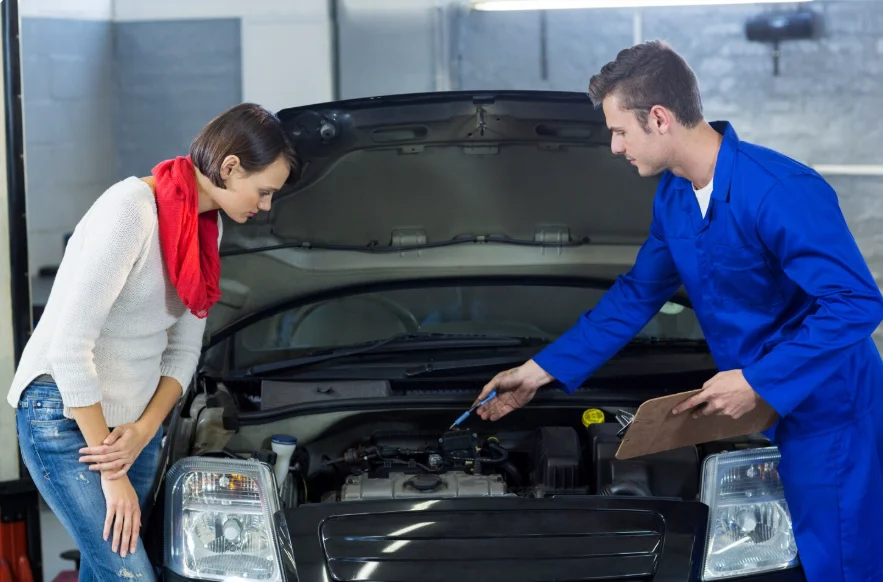
Taking care of a car may seem complicated at first, especially for beginners who have little experience with vehicle maintenance. However, learning a few basic maintenance habits can make a big difference in keeping your car running smoothly for years. Regular maintenance not only improves performance but also helps prevent expensive repairs in the future. Many car owners rely on resources like an Audi Repair Guide or similar manuals to understand their vehicle better and learn how to maintain it properly.
1. Check Engine Oil Regularly
Engine oil is one of the most important fluids in your car. It keeps the engine components lubricated and prevents overheating caused by friction. If the oil level becomes too low or the oil becomes dirty, it can lead to serious engine damage.
Beginners should make it a habit to check engine oil at least once every few weeks. Simply open the hood, pull out the dipstick, wipe it clean, insert it again, and check the level. If the oil looks very dark or the level is low, it may be time for an oil change.
2. Maintain Proper Tire Pressure
Tires play a major role in both safety and fuel efficiency. Driving with underinflated or overinflated tires can cause uneven wear and reduce your vehicle’s handling ability.
You can check tire pressure using a simple tire pressure gauge. The recommended pressure level is usually written inside the driver side door frame or in the vehicle manual. Keeping your tires properly inflated helps improve fuel economy and extends the life of the tires.
3. Replace Air Filters on Time
Your car has air filters that prevent dust and debris from entering the engine and cabin. Over time these filters become clogged, which can reduce engine performance and air quality inside the car.
Replacing an air filter is a simple maintenance task that beginners can easily perform. A clean air filter helps the engine breathe properly and can even improve fuel efficiency. Checking and replacing filters regularly keeps your car running smoothly.
4. Inspect the Battery
The car battery powers the electrical system and helps start the engine. A weak or damaged battery can leave you stranded if the car fails to start.
You should occasionally inspect the battery terminals to make sure they are clean and tightly connected. If you notice corrosion around the terminals, it can be cleaned carefully with a brush. Most car batteries last between three to five years, so replacing them on time is important.
5. Check Brake Condition
Brakes are one of the most critical safety components in any vehicle. If you hear squeaking, grinding, or notice reduced braking power, it may be a sign that the brake pads are worn out.
Beginners should pay attention to how the brakes feel while driving. If something feels unusual, it is better to inspect the brakes immediately. Maintaining healthy brakes ensures safety for both the driver and passengers.
6. Monitor Coolant Levels
The engine coolant helps regulate temperature and prevents overheating. Without enough coolant, the engine can become extremely hot and suffer serious damage.
Checking coolant levels is simple. Look at the coolant reservoir under the hood and make sure the fluid is within the recommended level. If the level is low, adding the correct coolant mixture can help maintain proper engine temperature.
7. Replace Windshield Wipers
Windshield wipers are often overlooked until they stop working properly. Worn wipers can leave streaks on the windshield and reduce visibility during rain.
Replacing wiper blades is quick and inexpensive. Most blades can be removed and installed within minutes. Keeping fresh wiper blades ensures clear visibility and safer driving during bad weather conditions.
8. Pay Attention to Warning Lights
Modern vehicles are equipped with dashboard warning lights that alert drivers to potential problems. Ignoring these lights can lead to serious mechanical issues.
If a warning light appears, it is important to understand what it means. Many beginners find it helpful to refer to Audi Manuals PDF or similar vehicle manuals to identify warning symbols and learn what actions should be taken.
9. Keep the Car Clean
Keeping your car clean is not only about appearance. Dirt, dust, and road salt can damage the paint and cause rust over time. Regular washing helps protect the exterior of the vehicle.
Cleaning the interior is also important because dust and debris can accumulate quickly. A clean car environment makes driving more comfortable and also helps maintain the vehicle’s value.
10. Follow the Maintenance Schedule
Every vehicle has a recommended maintenance schedule provided by the manufacturer. This schedule includes important services such as oil changes, brake inspections, tire rotations, and fluid replacements.
Following this schedule ensures that your car receives the care it needs at the right time. Regular maintenance helps prevent unexpected breakdowns and keeps the vehicle performing at its best.
Conclusion
Car maintenance may seem overwhelming for beginners, but it becomes much easier once you understand the basics. Simple habits like checking oil, maintaining tire pressure, inspecting the battery, and paying attention to warning lights can greatly improve your car’s reliability.
Taking a little time to care for your vehicle can prevent costly repairs and extend its lifespan. With the help of reliable guides and regular maintenance practices, even beginners can keep their cars running smoothly and safely for many years.